Hidden Ireland Country House Accommodation Bed and Breakfast Cottage Rental

Rise and shine: the Georgian morning routine

The Georgian era, spanning roughly from 1714 to 1830, was a period of elegance, social ritual, and a deep appreciation for order.

For those fortunate enough to live in the grand houses of the time, mornings were not simply a matter of waking up and getting on with the day. They were an occasion in themselves, governed by custom, attended by servants, and shaped by a belief that how one began the morning set the tone for everything that followed.

If you were lucky enough to have a housemaid at your beck and call, the day would begin with tea delivered to your bedside before you had so much as opened the curtains.

Morning ablutions

If you are staying in Hidden Ireland accommodation that dates from the Georgian era you will find no shortage of inspiration for recreating those elegant morning rituals.

A delicious breakfast awaits you downstairs and while modern-day guests can enjoy beautifully appointed bathrooms complete with every comfort, Georgians made do with considerably more modest arrangements.

Washing was typically a stand-up affair with soap and warm water brought to the room in a basin and jug by a servant. Full baths while not unknown among the wealthy were a far less frequent occurrence and something of a production in themselves.

The morning routine extended well beyond washing.

Meticulous hair brushing was essential and the face was carefully tended to with cold cream preparations made from ingredients such as almond oil and white wax. Georgian ladies of quality also applied cosmetics though the fashions of the era demanded considerable subtlety.

The ideal was a pale luminous complexion, a clear signal that one was a person of sufficient means to remain indoors and well removed from the sun and the demands of outdoor labour.

A little red on the lips and lightly darkened lashes were acceptable touches but anything too obvious risked looking common. The art lay in appearing effortlessly polished while having taken considerable effort to get there.

Getting dressed in the Georgian period was no small undertaking particularly for ladies of standing.

The process involved navigating a considerable number of layers: a chemise first, then stockings, stays (the Georgian forerunner of the corset), one or more petticoats and only then the gown itself.

A lady’s maid was not merely a luxury but a practical necessity as many of these garments simply could not be fastened without assistance. The resulting silhouette was elegant and highly structured with a high waistline that gave Georgian dress its distinctive graceful line.

Whether the wearer was entirely comfortable is another question but comfort was rarely the primary consideration when it came to dressing well.

Up and about

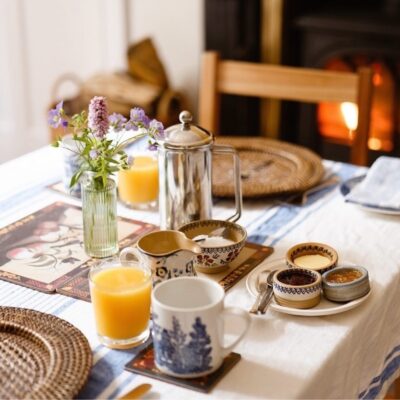
Once dressed and presentable the Georgian household would gather for breakfast, typically a generous spread of tea, eggs, cold meats, fish and bread.

This was not merely a meal but an opportunity for the household to organise itself for the day.

The mistress of the house would consult with her housekeeper on the day’s menus, review any correspondence that had arrived and set the tone for what lay ahead.

Guests staying in Hidden Ireland properties today will recognise something of this unhurried ritual.

Breakfast here is rarely a rushed affair but a chance to gather thoughts, compare notes on the previous day’s adventures and plan the hours ahead over good food and good company.

After breakfast Georgians of leisure might take a turn about the grounds or venture into the countryside for a morning walk, a habit considered both healthful and entirely respectable.

It is a tradition that today’s visitors can follow quite literally, stepping out from the very same doorways into landscapes that have changed remarkably little since the era that shaped these extraordinary houses.

If you are interested in experiencing life in a Georgian house, or other fascinating historical accommodation, take a look around the Hidden Ireland website to find your next stay.

If you need to contact Hidden Ireland to find out more about our country houses, cottage or properties please click HERE

Check out our social media pages:
FACEBOOK | INSTAGRAM | TWITTER

Hidden Ireland Accommodation Bed and Breakfast Cottage Rental

Autumn colour: woodland walks, seasonal sights, perfect pumpkins and more

Autumn can be a magical time for a mini break or longer stay in Ireland. The schools have gone back, making it less crowded and often cheaper to travel. Summer temperatures have cooled, leaving a crisp, invigorating chill in the air that calls for cosy coats and chunky knits.

Highlights of an autumn holiday in Ireland include walks in beautiful forests with trees showing their seasonal colours and welcoming pubs and restaurants serving hot drinks, pints of Guinness, warming Irish stews and other local dishes. In the cities and towns, shops are putting out displays for Christmas shopping and there are plenty of local events on offer. Here are some autumn attractions and ideas to get you started.

Giant’s Causeway coastal views and walksHidden Ireland Accommodation Bed and Breakfast Cottage Rental

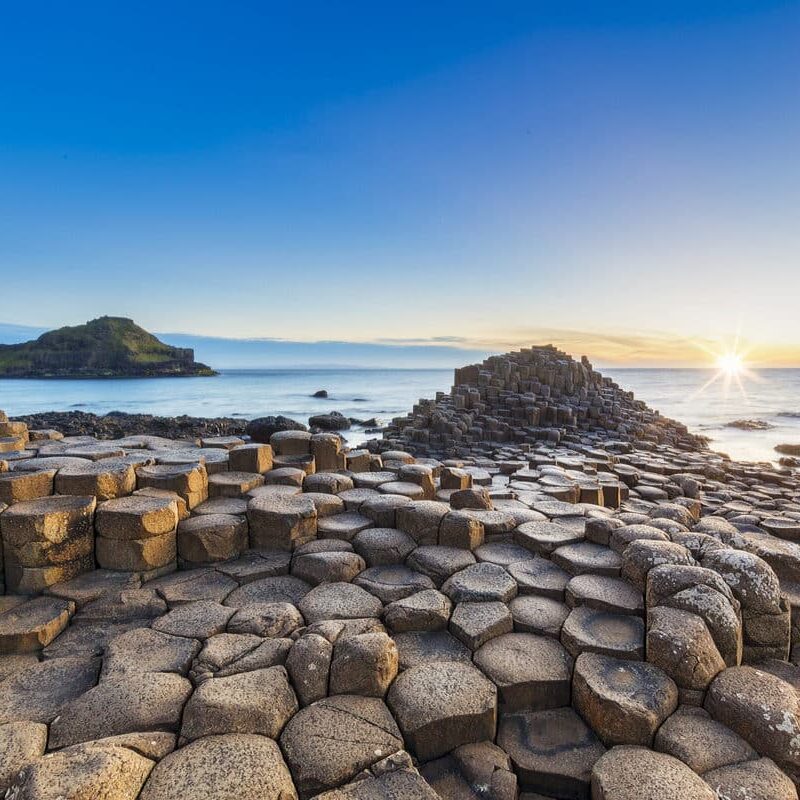
The National Trust looks after lots of beautiful houses, gardens and countryside areas in Northern Ireland, all of which offer many options for a perfect October or November day out, an easy drivefrom Hidden Ireland properties in the area. Among the best known is Giant’s Causeway, Northern Ireland’s first UNESCO World Heritage Site. Located in Co. Antrim, it is 60 million years old and has many beautiful walking routes, stunning views, a café, shop and award-winning visitor centre to explore this autumn.

National Trust in Northern Ireland

Other National Trust places that are great for visiting at this time of year include Castle Ward in Co. Down – an impressive 18th-century mansion and grounds. There are 21 miles of trails and walking routes to enjoy, as well as a full programme of family events for autumn and October half term. It was also a filming location for the popular TV show Game of Thrones.

A third National Trust place to go on the list is Mount Stewart, famed for its lovely gardens that are full of seasonal colour and interest at this time of year. Here, you can enjoy strolls in autumn nature, dog walks and tours of the fascinating country house. Visit the National Trust website to find out more about what’s on offer in Northern Ireland.

Autumn harvests and hotspots

Autumn is also the season of harvest, food and drink. As the leaves in the trees turn to reds, gold and browns, so colourful fruit and vegetables also spring up, ripe and ready for the picking. Pumpkin picking events are programmed across the country in time for Halloween, including Ballymad Farm in Co. Meath, Clissman Horse Caravans in Co. Wicklow and Killarney Pumpkin Farm in Co. Kerry.

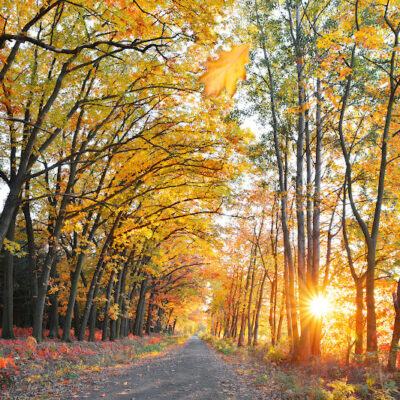
Autumn colour can also be found all over Ireland, with forests and woodlands alive with golden light and beautiful tones that are crying out to be photographed. Many are free to visit, making this an ideal seasonal break activity for couples, families and groups keen to connect with nature. Some well-known autumn colour hotspots include Killarney National Park (Co. Kerry), Connemara (Co. Galway), Gougane Barra National Forest Park (Co. Cork), the Wicklow Mountains and Slieve Bloom Mountains (Co. Laois).

Wherever you decide to visit in Ireland this autumn, you can be sure of a warm welcome, beautiful views, stunning countryside and delicious, warming food and drink. Choosing Hidden Ireland accommodation can also offer flexibility and freedom, along with beautiful, welcoming places to stay that are close to some of the best autumn attractions Ireland has to offer.

If you need to contact Hidden Ireland to find out more about our country houses, cottage or properties please click HERE

Check out our social media pages:
FACEBOOK | INSTAGRAM | TWITTER

Hidden Ireland Holiday Accommodation Cottage Rental Bed and Breakfast Good Food Ireland

Where and how to take your dog on a mini break in Ireland

For many people, a holiday is not the same if they cannot bring their dog with them. The thought of getting away for a break without the canine members of the family is unthinkable.

Happily, there are many options for bringing your dog with you on a trip to Ireland.

There are several choices of accommodation that are happy to welcome dogs, as well as attractions and facilities all over the island where you and your pooch can enjoy spending time together.

Getting to Ireland

If you already live in Ireland and are looking to spend time exploring the country with your dog, it is easy enough to bring your pet with you in your own or a hire car, or by public transport.

Always make sure that you travel with your pet’s comfort as a priority, scheduling plenty of stops for them to eat, drink and relieve themselves.

If you are travelling from another country, check online well in advance of your travel date about what you need to do to bring your dog legally into the country.

You will need to have your dog microchipped, apply for an animal health certificate or similar paperwork and treat/vaccinate your pet for medical issues like tapeworm and rabies.

Allow extra time to care for dogs at ferry ports and airports and monitor them continuously during the voyage.

Planning a dog-friendly break in Ireland

Ireland offers a wide range of choices for dog-friendly holidays, including coastal getaways and city breaks.

The key to a successful canine-filled break is to remain as flexible as possible in order to meet the needs of your dog and adapt what you do and how you plan to take their needs into account.

Pack what you need to look after them, including food, water bottles, dog bed, hardness or lead etc. as you may not be able to access these things quickly once you arrive at your holiday base.

Find out where the nearest vet is in advance too, in case of emergencies while you are away.

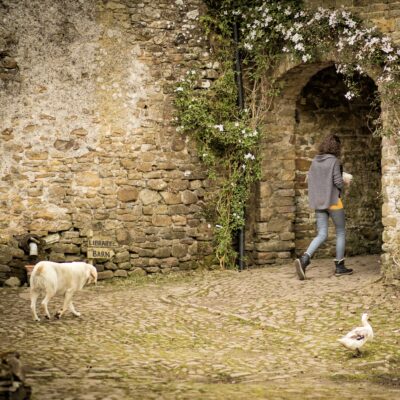
Self-catering accommodation, such as the holiday cottages and houses offered by Hidden Ireland can offer the ideal holiday location for dogs as they can relax in their own surroundings, with plenty of space to run around, privacy to sleep and eat in safety and exciting new places to explore.

Hotels may not allow dogs to stay, while it can be harder to keep tabs on dogs if you stay on a camp site with lots of people around, for example.

Where to take your dog on holiday in Ireland

On the whole, Ireland is a warm, welcoming country that is well adapted to dogs and their owners.

It is blessed with plenty of beautiful places with stunning scenery where visitors can safely take their dogs.

These include the Wild Atlantic Way in counties Galway and Kerry, which are full of dog-friendly walking routes, woodlands and beaches to explore, as well as the National Trust run Giant’s Causeway and Mount Stewart in Northern Ireland.

In larger cities like Dublin, there are numerous parks, riverside walks and dog-friendly amenities to enjoy, as well as pubs and cafes that allow dogs inside and even grooming parlours to give your pooch their own holiday treat while you are away.

Always check online if you are unsure if your dog is allowed somewhere. A pawprint scheme can give a good indication of places to aim for that will be better geared up to welcome you and your dogs on holiday.

The Hidden Ireland website also has clear guidance on which of its properties around Ireland are able to accept bookings for parties that include dogs.

If you need to contact Hidden Ireland to find out more about our country houses, cottage or properties please click HERE

Check out our social media pages:
FACEBOOK | INSTAGRAM | TWITTER

Hidden Ireland Holiday Accommodation Cottage Rental Bed and Breakfast Good Food Ireland Irish Food Irish Recipes

Why staying in a restored historic house in Ireland could be the best holiday you ever have

Many Hidden Ireland properties have a long history, representing several different historical periods.

Of course, over the years, these older houses will have needed repairs and restoration in order to maintain a safe structure and keep the property in good enough working order to carry on hosting guests.

This is especially the case once they have been added to the Hidden Ireland portfolio.

So, why should you choose to take your next Irish break at a restored Hidden Ireland period property?

For anyone seeking a holiday location with character, history and charm, a restored Hidden Ireland property is the perfect solution.

Located near cities, coastlines and in quieter, rural locations, they are convenience for any type of break.

Read on for a number of reasons that will have you reaching for your diary to see when you’re free to come and stay in 2025 and beyond.

History, culture and connection

People’s fascination with history shows no signs of abating, as is made evident by the popularity of period dramas on TV, historical documentaries and novels.

The Emerald Isle is rich with history and heritage, just waiting to be discovered. From bustling towns to quiet villages; dramatic coastline to verdant woodlands, there is plenty to enjoy during a stay in Ireland.

If you choose an historical Hidden Ireland property, you can immerse yourself in an authentic, memorable experience.

Often the owners or locals will have stories of previous residents or visitors to the house, and you can learn how the property has been restored and conserved over the years.

Aesthetics and architecture

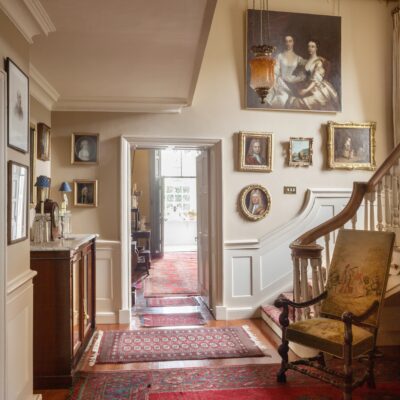
Fans of architecture and historic buildings will thoroughly enjoy staying in a period Hidden Ireland property, simply for the structural details that are present in every room and the beauty of the historic restorations current or previous owners have completed.

From full extensions and room restorations to preserving historic details like staircases, fireplaces and doors, there is much for history buffs and students of period design to explore and enjoy.

You can step back in time without ever having to venture outside the front door of your Hidden Ireland holiday home. If you do explore further afield, the calm, atmosphere of your restored historic holiday home awaits you when you get back.

Bringing together the old and the new

Preserving cultural history and built heritage is an extremely worthwhile aim, that has resulted in architecturally stunning and authentically fascinating holiday properties retaining their former glories and being made available to visitors and holidaymakers all over Ireland.

However, the owners of Hidden Ireland properties have cleverly brought the living standards up to date without compromising on the historic beauty or damaging the careful restorations that have taken place.

They’ve added modern comforts like high-speed wi-fi and, in some houses, even robotic lawnmowers – discreet touches that bring 2025 convenience to a beautifully preserved historic setting.

The best of both worlds.

Mental health and wellbeing

There is much to be said for a break in Ireland that encourages you to slow down, relax and take time out of a busy working schedule.

Historic, restored properties have a unique sense of peace and quiet, with the years of history they have seen evoking a sense of awe among many visitors.

Properties that have unique characteristics and fascinating stories can help us focus on learning more about them and really connecting with the location of our chosen historic house or holiday cottage in Ireland.

They are often located close to nature and wildlife, adding greatly to the mental health benefits and sense of wellbeing gains from spending a few days in situ.

If you need to contact Hidden Ireland to find out more about our country houses, cottage or properties please click HERE

Check out our social media pages:
FACEBOOK | INSTAGRAM | TWITTER

Hidden Ireland Country House Hotels Cottage Rentals Bed and Breakfast

What’s happening in Ireland in 2025

As 2024 comes to an end, it is the ideal time to look forward into the next year to see what will be happening on the island of Ireland. As ever, 2025 looks to be a year packed full of festivals, culture, sports, history and family fun. So many reasons to book a holiday on the Emerald Isle. Here are a few to get you started.

A very Ernest anniversary

2025 marks 130 years since Irish writer, Oscar Wilde penned his famous play The Importance of Being Ernest.

It is also the 125th anniversary of Wilde’s death.

As a result, there is bound to be a huge focus on the Irish wit and raconteur, not least a new event, In Our Dreams taking place in October in the town of Enniskillen, County Fermanagh, where Wilde went to school.

There will be more Wildean fun in Dublin, with themed guided tours of Oscar Wilde House and Trinity College and the third annual Oscarina, a showcase dedicated to the writer that is taking place in October.

Festival Fun

Ireland is well known for its plethora of festivals that take place across the island every year. Each boasting its own theme, music, food and followers, there is a huge choice for visitors to enjoy in 2025.

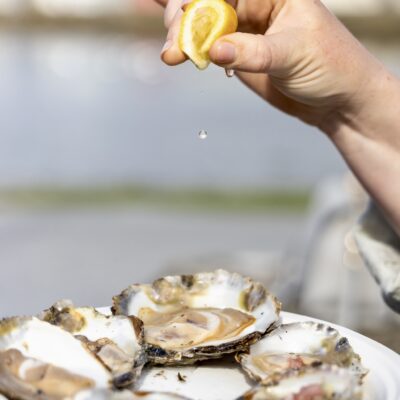
Some famous festivals include the Galway Oyster Festival happening in September.

Music lovers will enjoy Imbloc Festival – an eight-day extravaganza happening in Derry at the end of January and into February and Longitude, Dublin’s most famous music festival taking place later in the year.

Dublin will also host an International Film Festival in late February, showcasing the best of Irish cinema and film.

The City of Derry Jazz Festival is another occasion not to be missed, happening in early May.

St Patrick’s celebrations

Ireland’s biggest calendar date is arguably St Patrick’s Day on 17 March – an occasion to celebrate the patron saint of Ireland and participate in parties and parades all over the country.

Some of the more popular St Patrick’s Day festivals and parades will take place in Kilkenny, Dublin, Cork and Killarney – don’t miss out on the party of the year.

As well as parades and events, people dress up, enjoy a pint or two of Ireland’s national drink – Guinness – and enjoy spending time with family and friends as winter’s cold weather gives way to spring just in time for parades and parties to take place outdoors.

This sporting life

Ireland has plenty to offer sports fans in 2025 too, from horse races in Galway, County Kildare and Tipperary in the summer to Gaelic football and hurling matches found all over the island.

The 153rd Open Championship will be held at Royal Portrush Golf Club in Northern Ireland in mind July, attracting golf fans from all over the world for this exciting international tournament.

Finally, several Guinness Six Nations rugby tournament games will take place at various stadia across Ireland in spring 2025, including Dublin’s Aviva Stadium, Belfast’s Kingspan Stadium and Cork’s Virgin Media Park.

If you need to contact Hidden Ireland to find out more about our country houses, cottage or properties please click HERE

Check out our social media pages:
FACEBOOK | INSTAGRAM | TWITTER

Hidden Ireland Accommodation Country House Accommodation Irish Holidays Bed&Breakfast Cottage Rental

Winter warmers: Ireland’s finest drinks to keep out the cold this November and December

Now that the nights are drawing in and the weather is turning decidedly chilly, it is the perfect time to enjoy something that Ireland has long been famous for – its array of alcoholic drinks that are designed to warm the soul and keep the cold at bay.

From whiskey to brandy; ale to stout, there is something for everyone’s taste in the Emerald Isle.

Not to mention plenty of places to delve into the history and culture of some of Ireland’s most popular tipples, aperitifs and chasers.

Here are four of Ireland’s favourite drinks and ways to enjoy them over the coming weeks, in the run up to the festive season……

Whiskey

Irish whiskey was one of Europe’s earliest distilled drinks, once crafted by monks in the 11th Century.

The drink cannot officially be called Irish whiskey until it has spent a minimum of three years maturing on the island of Ireland. Unlike Scottish whisky (note the spelling difference), the Irish beverage is made from a mix of malted and unmalted barley that gives it a smoother, more neutral taste (Scottish whisky only contains malted barley).

There are four main types of Irish whiskey – single malt, single grain, blended and single pot still. Whiskey distilleries are situated all over Ireland and can offer a great day out for fans of the beverage, who can be treated to free tastings, given the chance to tour the distillery and invited to buy bottles of whiskey made on the premises.

Irish coffee

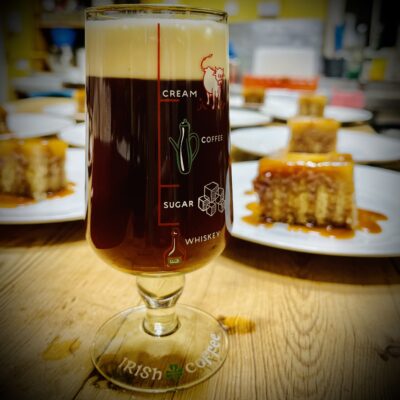
This warming mix of Irish whiskey and coffee was first served to a group of weary American travellers delayed by bad weather at Shannon airport in the 1940s by a chef from Northern Ireland.

They appreciated the dual effects of this powerful pick-me-up.

The drink quickly made it across the Atlantic, where it remains popular to this day.

The iconic hot whiskey cocktail is also served in bars and restaurants across Ireland and offers a wonderful way to end a delicious meal.

Irish Coffee can be served with brown sugar, cinnamon and whipped cream on top for added decadence.

National Irish Coffee Day happens annually on 25 January.

Guinness

From its iconic TV advertisements to its familiar rich, dark colour and creamy head, Guinness stout is for many people, the essence of Ireland poured into a pint glass.

The Guiness harp trademark was registered in 1876 and was inspired by Ireland’s national symbol – the only difference is that the Guinness harp has its soundboard on the left, while the Republic of Ireland’s harp sports it on the right. Guiness (or stout) is the base for many cocktails, including Black Velvet (made from stout and Champagne, or sparkling white wine) and Guinness Martini (Guinness, dark rum, cold espresso coffee, crème de cacao, vodka and ice).

Mulled Irish cider

If you are looking for something different for your festive drink of choice this Christmas, why not sample some warm mulled Irish cider?

This is a richly flavoured drink made from warmed cider and a blend of spices, including cloves, cinnamon and allspice.

You can also add brown sugar, orange zest and apple juice to sweeten it if desired.

It tastes wonderfully of Christmas in Ireland and adds a comforting, warm glow to what is seen by many as a lighter, summery drink.

Mulled Irish cider always goes down well at parties and helps get the holiday spirit started, especially at this time of year.

If you need to contact Hidden Ireland to find out more about our country houses, cottage or properties please click HERE

Check out our social media pages:
FACEBOOK | INSTAGRAM | TWITTER

Hidden Ireland Country House accommodation bed and breakfast cottage rental

What to see in Hidden Ireland’s university towns and academic hotspots

Whilst the main summer holiday season may have come to an end, there are still plenty of reasons to visit Ireland this autumn.

September and October are traditionally the time of year when university and college students return to their classrooms, laboratories and lecture halls.

Ireland has much to offer the academically inclined.

There are many prestigious universities, as well as lots to see and do that will appeal to students of all kinds of subjects, from history and geology to music and art.

Here are some ideas to help activate the brain cells.

Dublin

Home to one of Ireland’s top universities, Trinity College, the Republic of Ireland’s capital city has a great deal to offer students and other visitors seeking out academic stimulation.

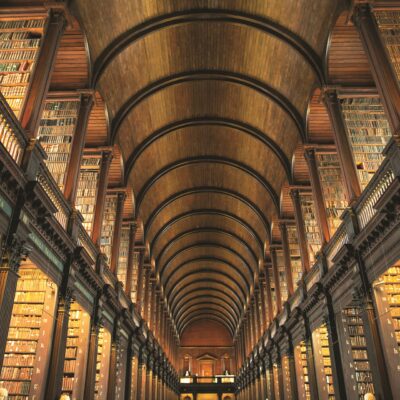
As well as stunning architecture and beautiful grounds to explore, Trinity College also houses the world-famous Book of Kells in its Old Library – an illuminated Latin manuscript of the four Gospels of the Bible’s New Testament that is more than 1,200 years old.

The city is also famous for its links to literary giants, Oscar Wilde and James Joyce.

Belfast

Some of the most sought-after Irish universities are located in Belfast, including Queen’s University and St Mary’s University.

Belfast is fascinating for students of politics and 20th-century history, with many of the iconic Peace Walls erected during the unrest that began in the late 1960s still standing as permanent reminders of that troublesome time.

RMS Titanic was built in Belfast in the early 1900s and a museum tells the story of the doomed ship. Narnia author, C S Lewis was also born in the city and lived there as a child.

Giant’s Causeway

Giant’s Causeway, now owned by the National Trust, has some truly fascinating geological features and attracts many students of physical geography and lovers of nature every year.

It is located around 60 miles from Belfast and well worth the trip for an educational experience like no other.

Guided tours and audio guides introduce the area to newcomers and you can enjoy amazing views out to sea.

Even if you are not a geographer, the natural tranquility is the perfect way to unwind after a heavy study session.

Kilkenny

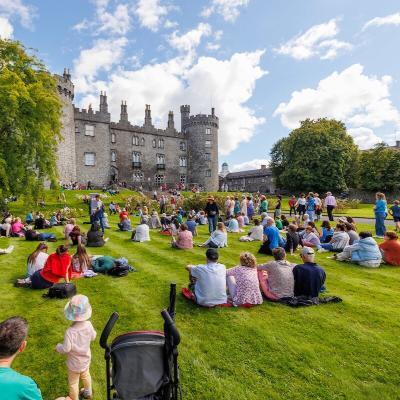
This medieval town is all about history, with its 13th-century Kilkenny Castle and abundance of medieval architecture and Normal streets to explore.

Kilkenny is also home to Maynooth University and many other respectable academic institutions.

There are also lots of arts and crafts to enjoy, plus the student essential that is vibrant night life and plentiful entertainment.

There is even a spooky Kilkenny ghost tour to enjoy with friends after classes at the end of the day.

Wexford

Formerly Ireland’s leading fishing port, this friendly coastal town boasts a rich maritime history in the guise of Hook Lighthouse and Wexford Harbour, as well as plenty of culture for music and arts students – the 73rd Wexford Festival Opera takes place this October.

Wexford Vocational College, New Ross Vocational College and South East Technological University all call this very welcoming town home.

Letterkenny

Located on the scenic Wild Atlantic Way, Letterkenny is the largest town in County Donegal and home to the beautiful St Eunan’s Cathedral – a must-see for students of religion and architecture.

Geographers and botanists will love the proximity to the natural landscapes and coastal interest of the Wild Atlantic Way.

Historians are not neglected in this market town, with the beautiful Glenveagh Castle just waiting to be explored during a free hour or two.

If you need to contact Hidden Ireland to find out more about our country houses, cottage or properties please click HERE

Check out our social media pages:
FACEBOOK | INSTAGRAM | TWITTER

Hidden Ireland Country House Accommodation Bed and Breakfast Cottage Rental

How to enjoy a summer of Irish culture, music, arts and dance

Anyone in the market for a relaxed summer break, staying in privately owned accommodation and spending their days enjoying the best that cultural Ireland has to offer is in luck.

From Irish folk festivals to jazz concerts; open air theatre to film, Ireland has plenty to offer music and culture fans this summer.

Wherever an exciting arts event is taking place, there is a Hidden Ireland country house, countryside B&B or cottage within a highly manageable travelling distance.

Spraoi International Street Arts Festival
Waterford, 2 – 4 August

An eclectic programme of street music, theatre and arts events takes place in Waterford at the start of August, culminating in a colourful parade of performers, costumes, fireworks and special effects.

One not to be missed.

A warm and welcoming family festival that really does have something to offer visitors of all ages.

Choose from around 200 acts descending from around the world, all completely free to watch and enjoy. Delicious street food available too, showcasing the best that Waterford has to offer.

Kilkenny Arts Festival
Kilkenny, 8 – 18 August

This popular festival is over 50 years old and still going strong!

Showcasing the very best of choral works, opera, chamber music, dance and theatre, this highly cultural, searingly beautiful programme is sure to have something to suit everyone’s tastes. Whether they lean towards the classical or yearn to experience something more contemporary.

Full programme, dates and booking information online.

Electric Picnic
Stradbally Hall, Co. Laois, 16 – 18 August

Irish arts and music events don’t come much bigger than Electric Picnic. Especially since global pop sensation Kylie Minogue will be headlining, along with Calvin Harris and Kodaline. This annual rock ‘n’ roll festival offers music, comedy, theatre and holistic health in a colourful mix of heady summer fun. Even if you don’t manage to bag yourself a ticket to the main event, the area will be alive with visitors and attractions and you might even be able to spot a famous face or two in town.

Masters of Tradition
Bantry, Cork, 21 – 25 August

For an authentic, traditional Irish music experience, head over to this charming festival in Bantry on Cork’s west coast. Masters of Tradition offers its visitors exactly what you might expect, with lively, beautiful traditional music from talented musicians and singers. Listen to enchanting performances from Celtic instruments such as the concertina, Scottish small pipes, Uilleann pipes and Irish fiddle. Or get lost in the dreamy world of Celtic folksong. Enjoy the ultimate Irish cultural event this summer.

Dublin Fringe Festival
Dublin, 7 – 22 September

Why should Edinburgh be the only place for some Fringe fun? If you are planning a late summer break in Ireland’s capital city this year, take a look at the exciting programme of new and emerging acts making their professional break-through in this multi-disciplinary arts festival. You might be lucky enough to be in at the start of Ireland’s next huge star’s comedy or musical career! Details of acts, dates and venues are available online.

If you need to contact Hidden Ireland to find out more about our country houses, cottage or properties please click HERE

Check out our social media pages:
FACEBOOK | INSTAGRAM | TWITTER

Hidden Ireland Country House Accommodation Bed and Breakfast Cottage and Lodge rental great food

Ideas for enjoying a family break – things for children to see and do this summer

Summer is almost here and with it will come the long school holidays, stretching out gloriously in front of us.

If you are planning to spend some, or even all of it in Ireland, then read on for some ideas to help keep children of all ages entertained, active and loving summer in the Emerald Isle.

Active kids

Ireland is blessed with easily accessible, stunningly beautiful coastlines offering a plethora of activities for sporty children.

From paddle boarding, water-skiing and surfing to sailing, hiking and fossil hunting, Ireland’s beaches and coastal resorts are fantastic for keeping the whole family fit all summer long.

Other options for active kids include numerous golf clubs, tennis courts, gyms and leisure centres located across the island and open all summer long.

Historical Ireland

History buffs may well appreciate a look round the Irish Emigration Museum in Dublin, or the City Sightseeing hop on-hop off bus that shows off the many delights of the Republic of Ireland’s vibrant capital city.

Another historical delight is Blarney Castle and Gardens in County Cork, where, folklore has it, you can also kiss the famous Blarney Stone to receive the gift of eloquence.

Explore Ireland’s links to the tragedy of the sinking of HMS Titanic at the Titanic Experience in Cobh in County Cork.

This moving museum is based in the original White Star Line Ticket Office, close to the departure point for the final group of passengers who boarded the fateful ship in 1912.

Nature fans

Ireland’s diverse nature and expansive countryside is second to one.

Nature fans are spoilt for choice. Ancient forests and woodlands offer fascinating walking and wildlife-watching options with trees for the kids to climb and signposted family trails to keep youngsters amused along the way.

Other options include the many wildlife parks, sanctuaries and nature attractions around the country.

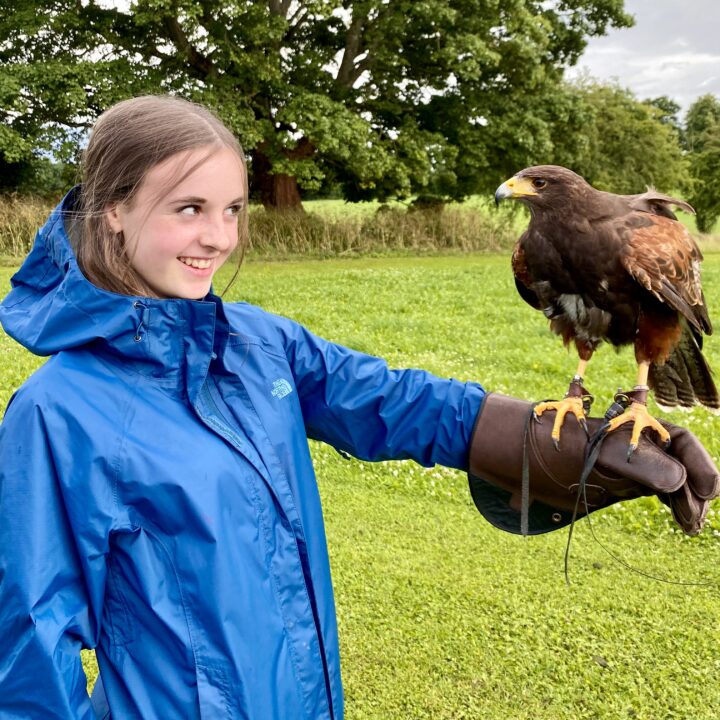
Examples include Dublin Zoo in Dublin, Burren Birds of Prey Centre in Clare, Connemara National Park in County Galway, The Donkey Sanctuary in Liscarroll, County Cork, Secret Valley Wildlife park in Wexford and Wild Ireland in Burnfoot, County Donegal.

Adrenaline adventurers

Children will love to let off some steam after months coped up in the classroom.

This can easily be done during a trip to Ireland. Rollercoaster fans will enjoy a trip to Emerald Park (formerly Tayto Park) in County Meath, which also has a fantastic zoo and lots of space to run around.

The Aqua Dome in Tralee, County Kerry lives up to its name with plenty of pools, wave machines and water slides to explore.

Funtasia Theme Park in Drogheda, County Louth has plenty for adults and children too, including Pirate’s Cove for small adventurers and casinos for the grown-ups.

Great for wet weather fun.

Culture vultures

Ireland is famed for its folk dancing and lively music.

You can enjoy concerts, theatre, comedy nights, outdoor film showings, opera and dance in several different locations.

Look online for full details of music festivals happening too, including the famous Longitude Festival in Dublin at the end of June, All Together Now Festival in Waterford in early August and Electric Picnic in County Laois in mid-August.

Check out Ireland’s links to famous writers and artists too, including James Joyce, Oscar Wilde and Francis Bacon.

If you need to contact Hidden Ireland to find out more about our country houses, cottage or properties please click HERE

Check out our social media pages:
FACEBOOK | INSTAGRAM | TWITTER

Hidden Ireland Luxury country house accommodation bed and breakfast cottage rentals house stays

Flora and fauna: wildlife along the Wild Atlantic Way

The Wild Atlantic Way stretches along Ireland’s west coast from the Inishowen Peninsular in County Donegal to the north, down to Kinsale in County Cork in the south.

It offers nature lovers 1,600 miles of beautiful coastal walks, fascinating rock formations and diverse wildlife.

Now, that summer is not so far away – and the late spring bank holidays are even closer, this is the perfect time of year to discover some of the many species of birds, insects, mammals and flowers that the Wild Atlantic Way is home to.

How to go wildlife watching

There are many different ways to enjoy discovering wildlife on the Wild Atlantic Way this spring and summer.

From organised wildlife tours to solo walks and rides, the spectacular scenery will reveal plenty of beautiful flora and fauna.

Besides the far-reaching ocean and coastal pathways, you can explore sand dunes, mud flats, wooded areas, forests and farmlands.

Bring appropriate clothing and shoes – western Ireland can still be fairly chilly even in April and May.

Don’t forget your binoculars and camera, as well as some wildlife books or website addresses so you can identify what you see.

Seas and skies

Ireland’s west coast is a great place to spot some exciting sea life.

Certain cliff-top viewpoints can be ideal for watching dolphins, seals and even the odd whale if the conditions are right.

Marine birds are common too, including gannets, shearwaters, oystercatchers, terns and gulls.

Other avian visitors to the Wild Atlantic Way include kingfishers, ravens, kestrels, sparrowhawk and falcon. They share the skies with a myriad of butterflies, bees, dragonflies and moths.

Always look up as you walk along (taking care not to trip over a stray low-lying branch, of course) to see what you can discover flying freely around you and above.

If you head out for a walk after dark, you may be able to hear bats whizzing around overhead.

Plants and flowers

Ireland’s floral symbol is the shamrock, and this pretty plant can be seen growing in many places all over the island.

The three-leaved clover shape was said to have helped St Patrick, the patron saint of Ireland, to explain the story of the Ho

Mammals

There are many beautiful mammals that are native to Ireland and can be spotted along the west coast.

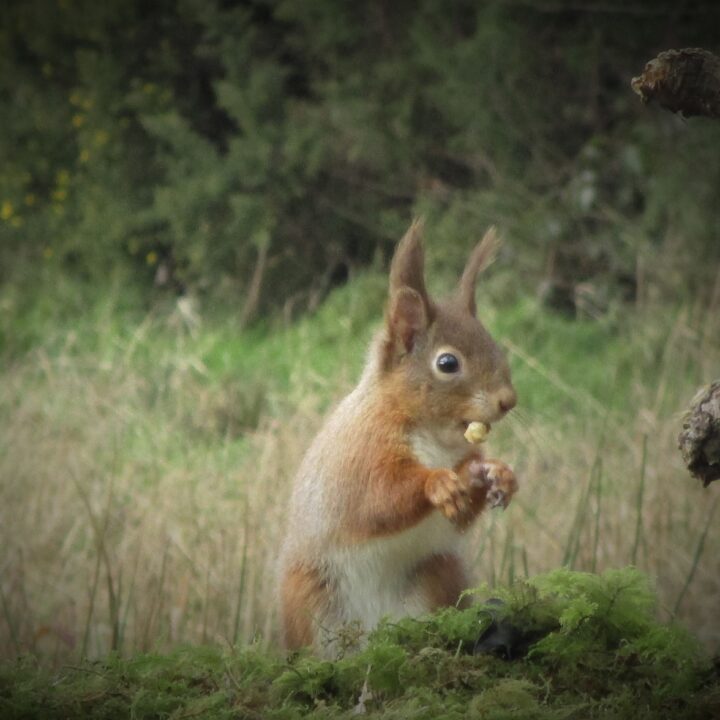
Some particularly striking examples include red foxes, red squirrels, Irish hares, badgers, seals and red deer.

You might also spot the odd feral goat if you are lucky – these intriguing creatures roam freely in several places, including the aptly named Goat Island at Roaringwater Bay, West Cork. Their impressive horns make them easy to identify, even in silhouette.

Even if you don’t spot the mammals themselves – some can be quite shy – they often leave behind tracks and other signs of their presence in the area.

Tread gently and go slowly if you don’t want to disturb these easily-spooked wild mammals.

Your patience may well be rewarded by some truly magnificent sights as you explore the Wild Atlantic Way.

If you need to contact Hidden Ireland to find out more about our country houses, cottage or properties please click HERE

Check out our social media pages:
FACEBOOK | INSTAGRAM | TWITTER