Hidden Ireland Georgian Holidays Accommodation Cottage Rental Bed and Breakfast

Holidaying the Georgian way with Hidden Ireland

Going on holiday is by no means a modern phenomenon. It has always been part of human nature to want (and need) to take a break from daily life every now and then and to set down working duties and commitments for a bit to give our bodies and minds a rest. Choosing a Hidden Ireland house, cottage or hotel for your break ensures beautiful accommodation, excellent facilities and interesting surroundings to explore.

Many Hidden Ireland properties are Georgian in origin, which prompts the question: where did the Georgians go on holiday?

Georgian transportation

Travel was becoming easier by Georgian times due to developments in transportation that opened up many possibilities hitherto denied to previous generations who mainly travelled by foot – or by horse if they could afford one. Wealthier Georgians were able to take advantage in the rise of horse-drawn carriages, which were increasingly built with comfort in mind to help passengers endure longer journeys. Having said that, the state of many roads remained perilous, so travel could still be rocky and bumpy.

The rise of public carriages, as opposed to smaller, private ones, allowed more people across the classes to access transport, so long as they could pay their fare. This change, coupled will increasing curiosity about further-flung places, meant more people began to venture further afield.

Irish holiday destinations

Popular destinations for Irish holiday-makers, as well as those visiting from other countries included newly fashionable seaside resorts like Dublin Bay and Waterford, where people could go sea bathing and breathe in the ‘sea air’, believed to offer restorative health benefits. Similarly, wealthy Georgians flocked to spa resorts like Connemara to ‘take the waters, or culturally interesting cities and towns, such as Armagh City, which is famous for its beautiful Georgian architecture

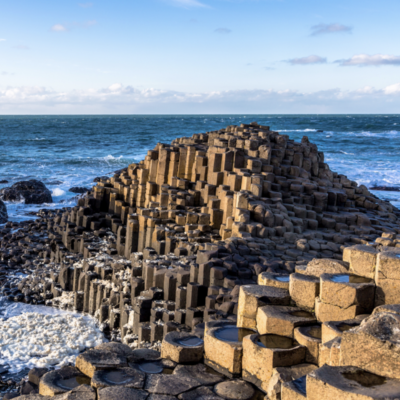
Another popular holiday option was to travel to a picturesque countryside location to admire the surroundings and discover ‘curiosities of nature’ that could be talked about back home. Favourite countryside destinations included the Giant’s Causeway, Killarney and the Cliffs of Moher.

The Grand Tour

One travel phenomenon that was highly popular among the aristocratic classes of Georgian Ireland (and elsewhere in Europe) was the Grand Tour. This was a prolonged tour of European countries and cultural centres where the focus was on studying subjects such as art and architecture, poetry, music and classical history. It was mainly wealthy young men in their twenties who embarked upon a Grand Tour in order to gain a broader perspective on life and meet new people. They were usually accompanied by a tutor or family member who could help them appreciate what they were seeing and to guide their routes and experiences.

If you would like to follow in the footsteps of culturally-aware Georgian holidaymakers and stay in beautiful, historically preserved accommodation while doing so, take a look at the Hidden Ireland website to book your next stay.

If you need to contact Hidden Ireland to find out more about our country houses, cottage or properties please click HERE

Check out our social media pages:
FACEBOOK | INSTAGRAM | TWITTER

Hidden Ireland Accommodation Cottage Rental Bed and Breakfast

How the Georgians lived (and decorated their houses)

In an increasingly uncertain world, many of us are finding comfort in looking back to the past to take inspiration from our ancestors in all kinds of ways, from hobbies to holidays; dressing to design. The Georgians were especially interested in creating beautiful interiors for their homes and important buildings, particularly favouring symmetry and strong focal points in their rooms.

Many of the cottages, country houses and boutique hotels that are part of the Hidden Ireland portfolio originate from Georgian times. Tell-tale elements of balance, soft colours and elegant decorative details immediately stand out to guests, who enjoy being surrounded by elegant, historical interior decor during their stay.

Symmetry, balance and focus

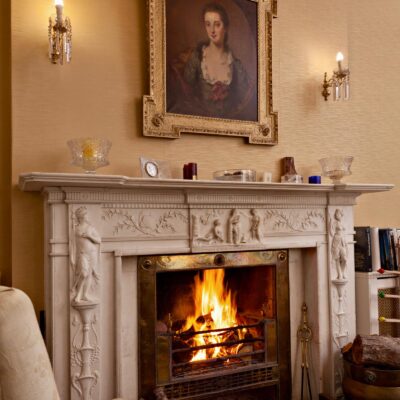
Georgian interior design was largely centred around a focal point in each room, such as a fireplace or large window. Furniture tended to be arranged around this focal point. Matching pieces, such as identical bookcases, armchairs or statues often flanked important areas in order to draw attention to them.

Visual harmony was key and furniture and fittings were carefully chosen to add harmony, rather than draw attention in their own right. Fireplaces were accentuated with ornate wooden or marble surrounds to add even more interest to them as the chosen focal point.

Floors, walls and ceilings

Georgian interior design indulged itself in decorative details, with ornate ceiling roses, cornices and dado rails a common sight in higher-class rooms and spaces. Floors were either covered in beautiful Oriental carpets if they were plainer, or, if made from decorative marble or stonework, left uncovered to allow the beauty of the stone to speak for itself.

Windows were often tall and beautifully designed to add interest on their own while maximising the amount of light they let into the room. Walls, too, were designed to be decorative even before any paintings or wall hangings were added. Wooden panelling was popular, with dado rails that divided the walls in half vertically allowing a clear separation between the panels below and a painted or wallpapered section on the top.

Colours and textures

Finally, many Georgian homes, including many examples of Hidden Ireland accommodation, were decked out with muted colours, rather than golds or bright reds. Popular shades included dusk pinks, burgundy, sky blue and pea green, with brighter tones used sparingly as accent colours for more formal spaces.

When it came to textiles, luxury was the watchword, with indulgent fabrics like damask, velvet and silk topping the list for drapes, upholstery and wall hangings. This preference for luxury was also reflected in furniture design, such as the high-end, delicate pieces produced using mahogany or walnut wood by leading Georgian furniture makers such as Thomas Chippendale.

If you are interested in staying in historically preserved Georgian accommodation with fine examples of colour, décor and symmetry in every room, take a look at the Hidden Ireland website to book your next stay.

If you need to contact Hidden Ireland to find out more about our country houses, cottage or properties please click HERE

Check out our social media pages:
FACEBOOK | INSTAGRAM | TWITTER

Hidden Ireland Country House Accommodation Bed and Breakfast Cottage Rental

Rise and shine: the Georgian morning routine

The Georgian era, spanning roughly from 1714 to 1830, was a period of elegance, social ritual, and a deep appreciation for order.

For those fortunate enough to live in the grand houses of the time, mornings were not simply a matter of waking up and getting on with the day. They were an occasion in themselves, governed by custom, attended by servants, and shaped by a belief that how one began the morning set the tone for everything that followed.

If you were lucky enough to have a housemaid at your beck and call, the day would begin with tea delivered to your bedside before you had so much as opened the curtains.

Morning ablutions

If you are staying in Hidden Ireland accommodation that dates from the Georgian era you will find no shortage of inspiration for recreating those elegant morning rituals.

A delicious breakfast awaits you downstairs and while modern-day guests can enjoy beautifully appointed bathrooms complete with every comfort, Georgians made do with considerably more modest arrangements.

Washing was typically a stand-up affair with soap and warm water brought to the room in a basin and jug by a servant. Full baths while not unknown among the wealthy were a far less frequent occurrence and something of a production in themselves.

The morning routine extended well beyond washing.

Meticulous hair brushing was essential and the face was carefully tended to with cold cream preparations made from ingredients such as almond oil and white wax. Georgian ladies of quality also applied cosmetics though the fashions of the era demanded considerable subtlety.

The ideal was a pale luminous complexion, a clear signal that one was a person of sufficient means to remain indoors and well removed from the sun and the demands of outdoor labour.

A little red on the lips and lightly darkened lashes were acceptable touches but anything too obvious risked looking common. The art lay in appearing effortlessly polished while having taken considerable effort to get there.

Getting dressed in the Georgian period was no small undertaking particularly for ladies of standing.

The process involved navigating a considerable number of layers: a chemise first, then stockings, stays (the Georgian forerunner of the corset), one or more petticoats and only then the gown itself.

A lady’s maid was not merely a luxury but a practical necessity as many of these garments simply could not be fastened without assistance. The resulting silhouette was elegant and highly structured with a high waistline that gave Georgian dress its distinctive graceful line.

Whether the wearer was entirely comfortable is another question but comfort was rarely the primary consideration when it came to dressing well.

Up and about

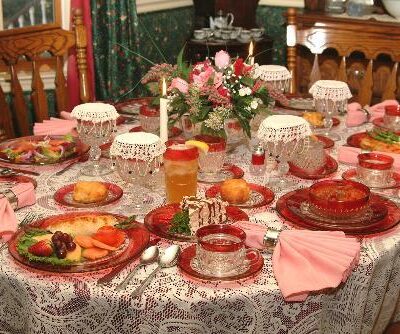
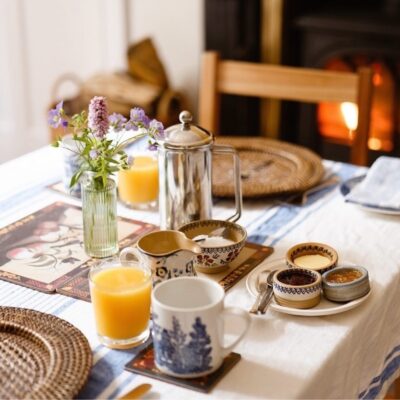
Once dressed and presentable the Georgian household would gather for breakfast, typically a generous spread of tea, eggs, cold meats, fish and bread.

This was not merely a meal but an opportunity for the household to organise itself for the day.

The mistress of the house would consult with her housekeeper on the day’s menus, review any correspondence that had arrived and set the tone for what lay ahead.

Guests staying in Hidden Ireland properties today will recognise something of this unhurried ritual.

Breakfast here is rarely a rushed affair but a chance to gather thoughts, compare notes on the previous day’s adventures and plan the hours ahead over good food and good company.

After breakfast Georgians of leisure might take a turn about the grounds or venture into the countryside for a morning walk, a habit considered both healthful and entirely respectable.

It is a tradition that today’s visitors can follow quite literally, stepping out from the very same doorways into landscapes that have changed remarkably little since the era that shaped these extraordinary houses.

If you are interested in experiencing life in a Georgian house, or other fascinating historical accommodation, take a look around the Hidden Ireland website to find your next stay.

If you need to contact Hidden Ireland to find out more about our country houses, cottage or properties please click HERE

Check out our social media pages:
FACEBOOK | INSTAGRAM | TWITTER

Hidden Ireland Luxury Country House Accommodation Bed and Breakfast

What to take with you on a Christmas getaway in Ireland

Christmas is a matter of weeks away and the exciting plans you have been busy making all year are drawing very close.

If you have booked a week or weekend away in Ireland as part of your festive celebrations, here is Hidden Ireland’s guide to what to take with you and prepare to make your Irish getaway the best Christmas treat ever.

What to wear

December in Ireland can be very wet, with snow sometimes making an appearance too. There can be sharp winds and clear, frosty mornings that look amazing, but bring biting temperatures with them. Warm and waterproof clothing is the order of the day, including an insulated jacket, hats, gloves and scarves and lots of layers.

There is plenty to see and do in both rural Ireland and around the cities and towns, so comfortable sturdy footwear is also a must, as are waterproofs to keep out the rain.

While Irish restaurants tend to be quite casual and relaxed, don’t forget a slightly smarter outfit if you’re planning to enjoy a fancy Christmas meal out in a posher restaurant or upscale bar.

The basics

The Republic of Ireland is in the European Union – anyone visiting from outside the country will need their passport and any associated visas or paperwork relating to the country they are travelling from.

Travel insurance is a very good idea, and you will also need your driving licence if you are planning to hire a car while in Ireland. Bring a good supply of Euros and a credit card.

Essential at any time of year, but a definite must if you’re planning a lot of Christmas shopping or January sales bargain hunting.

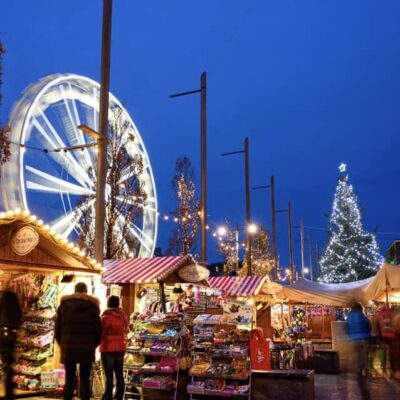
There are several amazing Christmas markets in Ireland, including in Dublin, Galway, Cork and Kilkenny.

Things to help you make memories

Keen photographers will find much to catch the eye and fill the lens in Ireland. People watching in a bustling city filled with Christmas shoppers and revellers is always good fun to capture on camera, while the rugged, frosty countryside and coastal walks make the perfect subject for some dramatic wintery landscape shots.

If writing is more your style, pack a journal to record your memories of December days out in Ireland or bring along everything you need to create travel blogs, vlogs or social media updates to keep your followers in touch with your festive Irish adventures.

You can also find postcards very easily all over the country to send greetings home to friends and family, so don’t forget to pop an address book in your bag, or add the details to your phone before you leave.

Curiosity and a sense of adventure

Finally, Ireland at Christmas has so much to offer that you will find it hard to pack everything in.

The more you relax, go with the flow and be willing to seek out new experiences, the more you will discover of this beautiful country.

From the bright, Christmas lights of Dublin’s Grafton Street or Cork’s ‘City of Lights’ display to the wild and wonderful winter landscapes of Giant’s Causeway, Cliffs of Mohar and the Ring of Kerry, there is much to thrill, inspire and entertain.

Choosing Hidden Ireland accommodation to stay in only adds to the charm and beauty of a trip to the Emerald Isle.

If you need to contact Hidden Ireland to find out more about our country houses, cottage or properties please click HERE

Check out our social media pages:
FACEBOOK | INSTAGRAM | TWITTER

Hidden Ireland Holiday Accommodation Cottage Rental Bed and Breakfast Good Food Ireland

Where and how to take your dog on a mini break in Ireland

For many people, a holiday is not the same if they cannot bring their dog with them. The thought of getting away for a break without the canine members of the family is unthinkable.

Happily, there are many options for bringing your dog with you on a trip to Ireland.

There are several choices of accommodation that are happy to welcome dogs, as well as attractions and facilities all over the island where you and your pooch can enjoy spending time together.

Getting to Ireland

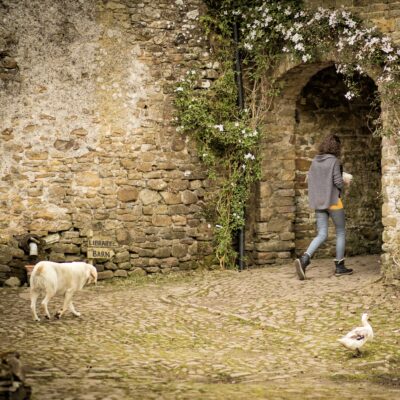
If you already live in Ireland and are looking to spend time exploring the country with your dog, it is easy enough to bring your pet with you in your own or a hire car, or by public transport.

Always make sure that you travel with your pet’s comfort as a priority, scheduling plenty of stops for them to eat, drink and relieve themselves.

If you are travelling from another country, check online well in advance of your travel date about what you need to do to bring your dog legally into the country.

You will need to have your dog microchipped, apply for an animal health certificate or similar paperwork and treat/vaccinate your pet for medical issues like tapeworm and rabies.

Allow extra time to care for dogs at ferry ports and airports and monitor them continuously during the voyage.

Planning a dog-friendly break in Ireland

Ireland offers a wide range of choices for dog-friendly holidays, including coastal getaways and city breaks.

The key to a successful canine-filled break is to remain as flexible as possible in order to meet the needs of your dog and adapt what you do and how you plan to take their needs into account.

Pack what you need to look after them, including food, water bottles, dog bed, hardness or lead etc. as you may not be able to access these things quickly once you arrive at your holiday base.

Find out where the nearest vet is in advance too, in case of emergencies while you are away.

Self-catering accommodation, such as the holiday cottages and houses offered by Hidden Ireland can offer the ideal holiday location for dogs as they can relax in their own surroundings, with plenty of space to run around, privacy to sleep and eat in safety and exciting new places to explore.

Hotels may not allow dogs to stay, while it can be harder to keep tabs on dogs if you stay on a camp site with lots of people around, for example.

Where to take your dog on holiday in Ireland

On the whole, Ireland is a warm, welcoming country that is well adapted to dogs and their owners.

It is blessed with plenty of beautiful places with stunning scenery where visitors can safely take their dogs.

These include the Wild Atlantic Way in counties Galway and Kerry, which are full of dog-friendly walking routes, woodlands and beaches to explore, as well as the National Trust run Giant’s Causeway and Mount Stewart in Northern Ireland.

In larger cities like Dublin, there are numerous parks, riverside walks and dog-friendly amenities to enjoy, as well as pubs and cafes that allow dogs inside and even grooming parlours to give your pooch their own holiday treat while you are away.

Always check online if you are unsure if your dog is allowed somewhere. A pawprint scheme can give a good indication of places to aim for that will be better geared up to welcome you and your dogs on holiday.

The Hidden Ireland website also has clear guidance on which of its properties around Ireland are able to accept bookings for parties that include dogs.

If you need to contact Hidden Ireland to find out more about our country houses, cottage or properties please click HERE

Check out our social media pages:
FACEBOOK | INSTAGRAM | TWITTER

Hidden Ireland Holiday Accommodation Cottage Rental Bed and Breakfast Good Food Ireland Irish Food Irish Recipes

Why staying in a restored historic house in Ireland could be the best holiday you ever have

Many Hidden Ireland properties have a long history, representing several different historical periods.

Of course, over the years, these older houses will have needed repairs and restoration in order to maintain a safe structure and keep the property in good enough working order to carry on hosting guests.

This is especially the case once they have been added to the Hidden Ireland portfolio.

So, why should you choose to take your next Irish break at a restored Hidden Ireland period property?

For anyone seeking a holiday location with character, history and charm, a restored Hidden Ireland property is the perfect solution.

Located near cities, coastlines and in quieter, rural locations, they are convenience for any type of break.

Read on for a number of reasons that will have you reaching for your diary to see when you’re free to come and stay in 2025 and beyond.

History, culture and connection

People’s fascination with history shows no signs of abating, as is made evident by the popularity of period dramas on TV, historical documentaries and novels.

The Emerald Isle is rich with history and heritage, just waiting to be discovered. From bustling towns to quiet villages; dramatic coastline to verdant woodlands, there is plenty to enjoy during a stay in Ireland.

If you choose an historical Hidden Ireland property, you can immerse yourself in an authentic, memorable experience.

Often the owners or locals will have stories of previous residents or visitors to the house, and you can learn how the property has been restored and conserved over the years.

Aesthetics and architecture

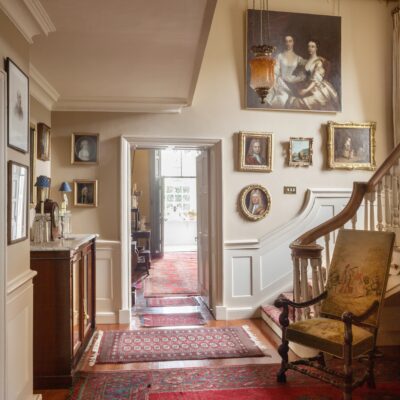
Fans of architecture and historic buildings will thoroughly enjoy staying in a period Hidden Ireland property, simply for the structural details that are present in every room and the beauty of the historic restorations current or previous owners have completed.

From full extensions and room restorations to preserving historic details like staircases, fireplaces and doors, there is much for history buffs and students of period design to explore and enjoy.

You can step back in time without ever having to venture outside the front door of your Hidden Ireland holiday home. If you do explore further afield, the calm, atmosphere of your restored historic holiday home awaits you when you get back.

Bringing together the old and the new

Preserving cultural history and built heritage is an extremely worthwhile aim, that has resulted in architecturally stunning and authentically fascinating holiday properties retaining their former glories and being made available to visitors and holidaymakers all over Ireland.

However, the owners of Hidden Ireland properties have cleverly brought the living standards up to date without compromising on the historic beauty or damaging the careful restorations that have taken place.

They’ve added modern comforts like high-speed wi-fi and, in some houses, even robotic lawnmowers – discreet touches that bring 2025 convenience to a beautifully preserved historic setting.

The best of both worlds.

Mental health and wellbeing

There is much to be said for a break in Ireland that encourages you to slow down, relax and take time out of a busy working schedule.

Historic, restored properties have a unique sense of peace and quiet, with the years of history they have seen evoking a sense of awe among many visitors.

Properties that have unique characteristics and fascinating stories can help us focus on learning more about them and really connecting with the location of our chosen historic house or holiday cottage in Ireland.

They are often located close to nature and wildlife, adding greatly to the mental health benefits and sense of wellbeing gains from spending a few days in situ.

If you need to contact Hidden Ireland to find out more about our country houses, cottage or properties please click HERE

Check out our social media pages:
FACEBOOK | INSTAGRAM | TWITTER

Hidden Ireland Holiday Accommodation Cottage Rental Bed and Breakfast Good Food Ireland Irish Food Irish Recipes

Sweet and savoury Irish dishes for spring and summer dining

Think of eating and drinking in Ireland, and you will doubtless conjure up images of Guinness for St Patrick’s Day, as well as potatoes, fruit scones and hearty Irish stews.

However, there is a lot more to the cuisine of Ireland, especially as we come into late spring and early summer.

While Ireland isn’t exactly famed for gloriously hot summers, the sun can still come out from time to time and give residents and visitors alike nice weather to enjoy.

Whether you are staying at a fully catered Hidden Ireland property, or have opted for a self-catering stay, there are many ways to try some Irish summer classics. Check out some online recipes, visit a local supermarket or market and cook your own back at your holiday accommodation.

Potato salad

Ireland’s history is intrinsically linked with the potato, which is evident when it comes to this delicious, fresh summer tradition – Irish potato salad. New potatoes are boiled until soft and then cut into bite-sized pieces.

Butter is added and mixed with the potatoes until it has melted, then mayonnaise, salt and pepper is stirred in.

Garnish with chives and serve with cold meats for a wonderful summer’s picnic food or light dinner option. You can also add ingredients such as onions, mint leaves, radishes peas or mustard to add to the taste.

Smoked salmon and scrambled eggs

The ultimate in sophisticated breakfast food. Ireland is rich in wild Atlantic salmon, thanks to its geographical location and island status.

Wild salmon live in many rivers in Ireland and is a popular choice among fish lovers.

Pep up your scrambled eggs in the morning by adding flakes of smoked salmon and chives. Or wow your summer dinner guests by serving small portions as a starter, or a larger serving with a side salad on a warm summer’s day.

Summer pudding

One popular dessert in Ireland is called summer pudding. This is a fruity, moist pudding that was originally made to use up leftover bread, but has become a popular option for summer desserts in Ireland and the UK.

Fruits such as blackberries, redcurrants, strawberries and blueberries are cooked and strained to make them soft.

White or soda bread soaked in fruit juices lines a pudding bowl or loaf tin with the fruit added in the centre. The pudding is then chilled and served with delicious ice cream and fresh fruit.

Bread and butter pudding

Another bread-based dessert that rounds off an Irish salad or summer lunch beautifully is bread and butter pudding.

Again, you can use white bread or the traditional Irish soda bread to make this dish. Slices of bread are buttered and soaked in a mixture of milk, eggs and sugar.

Add fruit such as raisins or currants to taste, as well as other ingredients such as chocolate chips or honey if you wish. Bake until the dish is crispy and golden on the top.

Irish lemonade

Lemonade is a wonderfully cooling drink on a hot, summer’s day.

Adding whiskey to it adds a touch of sophistication for a summer drinks party.

To a tall, chilled glass, mix fresh lemonade with a good Irish whiskey, some ginger beer or club soda, a dash of bitters and fresh mint leaves. Garnish, add ice and serve.

You can also make up jugs of it for a larger group of people. This is a lighter alternative to hot whiskey drinks that are more suitable for the autumn or winter months.

If you need to contact Hidden Ireland to find out more about our country houses, cottage or properties please click HERE

Check out our social media pages:

FACEBOOK | INSTAGRAM | TWITTER

Hidden Ireland Holiday Accommodation Cottage Rental Bed and Breakfast Good Food Ireland

The art of hosting: how to host a brilliant group holiday for friends or family

When you plan a group holiday, whether it’s for friends getting together to go to an event, or a family reunion spanning multiple generations, your responsibilities as host and chief planner don’t stop when you press ‘pay’ on your online booking.

You are responsible for making sure that the plans are ‘on point,’ and that everyone has a great time, understands what’s happening when, and has equal input when it comes to sharing costs, organising meals and deciding what to do.

If you book a Hidden Ireland property for your group holiday in Ireland, you will be able to choose from many different accommodation options.

So, you can make sure there is enough room for everyone, and that you are located in the most suitable place for what you want to do on your time away together.

Many places offer on-site breakfast and dining too, which helps with much of the meal planning.

Here are some more ways to be the perfect host during your trip away, while making sure you’re having plenty of fun as well.

Work out who’s spending what

Money and how to divide up paying for things can be one of the most contentious parts of a group holiday. To minimise stress in this area, get together before the trip and work out who is going to pay for what. You could divide everything absolutely equally, or work out the finer details of who is doing, eating or buying what – and pay for what each individual, couple or family use. It’s up to you, but having some kind of plan in place in advance is the secret to avoiding arguments over money while you are on your trip away.

Plan your itinerary

While you may be getting together to specifically attend a concert, go to as sports fixture or travel as a group to a wedding or party, there may be other places people int eh group would like to visit, or activities people are keen to try while you are staying in Ireland. Again, prior planning helps with this, as you can work out what time you have and the best days/times to do different things. Good hosts put other people’s preferences and needs first, not just their own, so always ensure you have asked for everyone’s input and ideas before pressing ahead with any major itinerary planning.

Meals, snacks and eating out

Whether you are staying an accommodation that provides meals, or have opted for a self-catering property, meal planning is a large part of any group holiday. Establish whether people want to eat all together, do their own thing or work out a mixture of the two. If you are eating together, check for allergies and dislikes, so that everyone can eat something that suits them. Have plenty of snacks available, as people will like to be able to dip in and out, and running out could be inconvenient, especially if your accommodation is rural. Again, sorting out a kitty or means of paying fairly between you all for meals is important to do early on, if not before the trip begins.

Mix it up and be flexible

A god host is able to adapt and change direction with the planning if the group changes their mind about doing something, or an issue crops up, making new plans necessary. Try to keep cheerful and calm if changes must be made last-minute and look out for alternatives to keep everyone happy and the holiday on track.

Take a look online for local attractions, or ask your accommodation hosts for ideas and advice. You and your guests might enjoy trying something brand new to you all – keep an open mind and see what there is out there for you to have a go at.

You might have found your next reason to return to Ireland for another group holiday and have another go at it!

If you need to contact Hidden Ireland to find out more about our country houses, cottage or properties please click HERE

Check out our social media pages:
FACEBOOK | INSTAGRAM | TWITTER

Hidden Ireland Country House Accommodation Bed and Breakfast Cottage Rental Good Food

Recipes from the past inspired by Hidden Ireland locations

Ireland is famous for a wide range of delicious dishes that hark back to its rich and vibrant past.

According to a survey run by meal kit provider, Hello Fresh last year (Source: https://www.irishcentral.com/culture/food-drink/irelands-favorite-traditional-dishes), people from different counties across the island of Ireland have very clear preferences for Irish meals and foods according to their location.

Here are some of those findings from the survey, along with tips for making a delicious version at home to inspire your next trip to a Hidden Ireland property.

There are several more detailed recipes online if you want to try your hand at any of them.

Coddle (Counties Laois, Kildare, Louth and Offaly)

Coddle is an Irish stew that warms the very cockles of the heart – perfect for these cold winter months. There are, of course, variants to the recipe, but staple ingredients include sausages, bacon, potatoes and onions. It’s the ideal dish for St Patrick’s Day, not that far away now on 17 March. The dish is slow cooked in stout for added Irish flavor in the oven or on the stove. As well as the main ingredients, you can add extras, such as garlic, thyme, parsley, cayenne pepper and broth. Leave to cook on a low heat for two to three hours. When done, serve with a hearty slice of soda bread.

Colcannon (County Kerry)

This is another popular St Patrick’s Day recipe based on creamy mashed potatoes and cabbage, kale or leeks. It makes the perfect side dish to a bowl of colcannon or Irish stew on a cold winter’s day. Also known as boxty, it contains plenty of cream and milk and is formed into a round shape with a well in the middle for melted butter. You can also make variations by adding bacon, chives and other leafy greens. Boil potatoes and then mash them with onions and greens cooked in butter. Add milk and cream to taste and serve with the melted butter.

Irish breakfast (Counties Cork, Galway and Dublin)

Similar to an English fry-up, an Irish breakfast is a great way to set yourself up before a day of sightseeing in the Emerald Isle. It consists of a large plate of fried eggs, bacon, mushrooms, tomatoes, baked beans and lashings of soda bread and butter – or potato farls if you prefer. Adding white pudding makes it a truly authentic Irish breakfast and differentiates it from its English counterpart. The drink of choice is milky tea with lots of sugar, making this delicious breakfast a really fine example of Irish comfort food.

Potato Farls (County Cork)

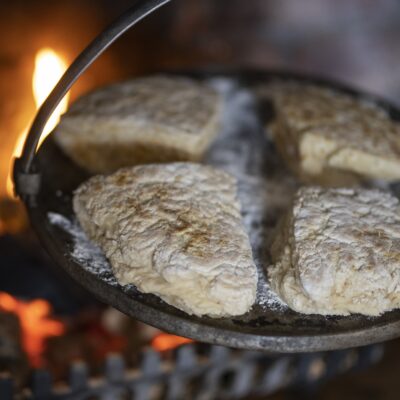
Another Irish side dish, the name potato farls comes for the Gaelic word fardel, meaning ‘four parts.’ The potatoes are boiled, mashed and mixed with flour, melted butter and salt. They are flattened into a round dough, cut into quarters and cooked on a griddle until browned and crispy on the outside. Perfect to go with an Irish breakfast for the ultimate comfort food. Or they can be buttered and served like bread with sweet and savoury toppings ranging from honey or jam to smoked salmon and cream cheese. Yum!

Soda bread (Counties Clare, Sligo, Donegal and Wicklow)

This is a popular bread that is quick and easy to make and goes with anything. It is dense and soft with a crispy crust, made without yeast for an unleavened finish. Recipes are available online, however the basics involve whisking together buttermilk and egg in one bowl and flour, baking soda, sugar and salt in a second. Cut cold butter into the bowl of dry ingredients and then combine with the other bowl. Knead the dough and score with a knife to allow the centre to bake evenly. Bake until golden brown.

If you need to contact Hidden Ireland to find out more about our country houses, cottage or properties please click HERE

Check out our social media pages:
FACEBOOK | INSTAGRAM | TWITTER

Hidden Ireland Holiday Accommodation Cottage Rental Bed and Breakfast Good Food Ireland

Eight compelling reasons to stay at a Hidden Ireland property this year – as revealed by our guests

There are so many reasons why planning a trip to Ireland could be the best move you make this year. From glorious countryside to the warm welcome you’ll receive from locals; delicious food and drink to the fascinating heritage and history, there is something for everyone to enjoy in the Emerald Isle. We could write for ages about each reason; however, we thought it would be much nicer to let our guests speak for us.

We are fortunate indeed at Hidden Ireland to be able to welcome people to our historic houses, cottages, bed and breakfasts and guesthouses. People come to Ireland for different reasons, including family breaks, weddings, business trips, sporting weekends, cultural events and group holidays with friends. Many leave us brilliant testimonials saying exactly what they enjoyed about their time in Ireland. Here are eight fantastic guest reviews that we have received in recent years.

“What a treat to stay in this handsome home (The Castle, Castletownshend). I can’t imagine what work it is to maintain this old house and extensive gardens, but the owners do a great job of it, and we are delighted they were willing to welcome us. The breakfast was delicious and the staff friendly. I would be happy to stay here again.”

“I recently booked a whole weekend house takeover at Temple House, with dinners on both nights and was delighted with the entire weekend. The food and wine list was fabulous. We were just over 20 mins from Strandhill beach where we went for a lovely breezy stroll to blow away the cobwebs.”

“The welcome (at Roundwood House) was wonderful and the room was beautiful. We had local craft beer and stunning food. Total dedication to local quality produce and a friendly but not intrusive approach. This place exemplifies why Irish business, which had a tough pandemic, will bounce back. They deserve to do so well.”

“The Quay House has an amazing collection of beautiful pictures, animal artefacts and quirky antiques. We were given tea and delicious home-cooked brack in one of the several cosy sitting rooms. The home-cooked breakfasts are very generous in portion and set you up for the whole day. All served in a very inviting conservatory enabling you to look out across the bay at the sailing boats and seagulls. In short nothing is too much effort. Thank you for a very magical stay.”

“We stayed at Lorum Old Rectory for three nights. We are a family of five (two adults and three children) together with two grandparents. Nothing was too much trouble. Comfortable rooms, fluffy towels, sumptuous beds and amazing food – this really is a special place.”

“Fantastic hospitality for a lovely two-night stay. Stayed at Kilmokea as a base for exploring the sunny south east. Lily bedroom was very comfortable and breakfast was very tasty. We dined there both nights and food was great. Being able to stroll around and explore the gardens every day was a bonus.”

“We stayed in Ashley Park House last week for a wedding. I am dreaming of going back! The grounds and views are gorgeous. The food was gorgeous from the canapes to the breakfast. Staff went above and beyond to make sure we had a great day. The marquee/pavilion is so cosy and the views from it were amazing!”

“We had a wonderful stay here (Collon House). A beautifully restored house, full of interesting and fascinating artefacts and paintings. Very comfortable bedrooms and surroundings, giving the impression of staying in a private country house. We had a truly excellent dinner, delicious food served in a very attractive dining room; the table laid out with lovely silver and ornaments.”

If you need to contact Hidden Ireland to find out more about our country houses, cottage or properties please click HERE

Check out our social media pages:

FACEBOOK | INSTAGRAM | TWITTER