Hidden Ireland Country House Accommodation Bed and Breakfast Cottage Rental

Rise and shine: the Georgian morning routine

The Georgian era, spanning roughly from 1714 to 1830, was a period of elegance, social ritual, and a deep appreciation for order.

For those fortunate enough to live in the grand houses of the time, mornings were not simply a matter of waking up and getting on with the day. They were an occasion in themselves, governed by custom, attended by servants, and shaped by a belief that how one began the morning set the tone for everything that followed.

If you were lucky enough to have a housemaid at your beck and call, the day would begin with tea delivered to your bedside before you had so much as opened the curtains.

Morning ablutions

If you are staying in Hidden Ireland accommodation that dates from the Georgian era you will find no shortage of inspiration for recreating those elegant morning rituals.

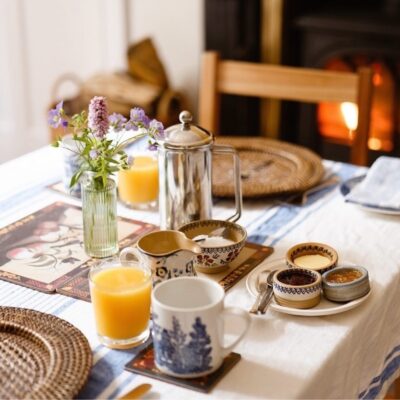
A delicious breakfast awaits you downstairs and while modern-day guests can enjoy beautifully appointed bathrooms complete with every comfort, Georgians made do with considerably more modest arrangements.

Washing was typically a stand-up affair with soap and warm water brought to the room in a basin and jug by a servant. Full baths while not unknown among the wealthy were a far less frequent occurrence and something of a production in themselves.

The morning routine extended well beyond washing.

Meticulous hair brushing was essential and the face was carefully tended to with cold cream preparations made from ingredients such as almond oil and white wax. Georgian ladies of quality also applied cosmetics though the fashions of the era demanded considerable subtlety.

The ideal was a pale luminous complexion, a clear signal that one was a person of sufficient means to remain indoors and well removed from the sun and the demands of outdoor labour.

A little red on the lips and lightly darkened lashes were acceptable touches but anything too obvious risked looking common. The art lay in appearing effortlessly polished while having taken considerable effort to get there.

Getting dressed in the Georgian period was no small undertaking particularly for ladies of standing.

The process involved navigating a considerable number of layers: a chemise first, then stockings, stays (the Georgian forerunner of the corset), one or more petticoats and only then the gown itself.

A lady’s maid was not merely a luxury but a practical necessity as many of these garments simply could not be fastened without assistance. The resulting silhouette was elegant and highly structured with a high waistline that gave Georgian dress its distinctive graceful line.

Whether the wearer was entirely comfortable is another question but comfort was rarely the primary consideration when it came to dressing well.

Up and about

Once dressed and presentable the Georgian household would gather for breakfast, typically a generous spread of tea, eggs, cold meats, fish and bread.

This was not merely a meal but an opportunity for the household to organise itself for the day.

The mistress of the house would consult with her housekeeper on the day’s menus, review any correspondence that had arrived and set the tone for what lay ahead.

Guests staying in Hidden Ireland properties today will recognise something of this unhurried ritual.

Breakfast here is rarely a rushed affair but a chance to gather thoughts, compare notes on the previous day’s adventures and plan the hours ahead over good food and good company.

After breakfast Georgians of leisure might take a turn about the grounds or venture into the countryside for a morning walk, a habit considered both healthful and entirely respectable.

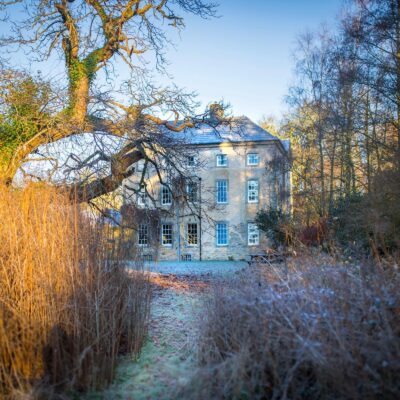
It is a tradition that today’s visitors can follow quite literally, stepping out from the very same doorways into landscapes that have changed remarkably little since the era that shaped these extraordinary houses.

If you are interested in experiencing life in a Georgian house, or other fascinating historical accommodation, take a look around the Hidden Ireland website to find your next stay.

If you need to contact Hidden Ireland to find out more about our country houses, cottage or properties please click HERE

Check out our social media pages:
FACEBOOK | INSTAGRAM | TWITTER

Hidden Ireland Country House Accommodation Bed and Breakfast Cottage Rental

Winter highlights and seasonal things to do in Ireland

December, January and February in Ireland can be a truly magical time.

Crisp, wintery skies and frosty landscapes can turn the countryside into a winter wonderland, while the cities offer a wealth of seasonal interest, culture and atmosphere. Christmas brings an enchanting sparkle and the New Year brims with the promise of spring and warmer weather to come.

The weather is also perfectly manageable with suitable layers and a warm coat. If it does snow, the countryside can look even more magical with a gentle covering of white as far as the eye can see.

Countryside capers to start the year

From the unspoilt countryside around Connemara and the Wild Atlantic Way to the dramatic Wicklow and Slieve Bloom Mountains, there is a vast array of glorious landscapes to explore across Ireland.

Hiking, rambling and coastal walks are all excellent winter pastimes. Wearing layers and investing in a warm coat, gloves and hat will help keep out the chill while you marvel at the wintery scenes and views around you.

Winter sports are also widely available, including snowboarding and sledding in Kerry, Wicklow and elsewhere. Many Hidden Ireland cottages, houses and hotels are located within very easy reach of stunning countryside and beautiful winter walking spots.

City breaks to warm the soul

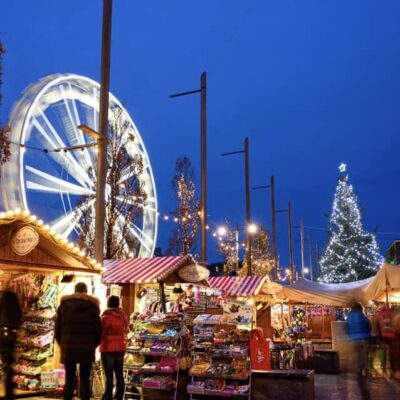
Christmas in Ireland is a wonderful experience, with Christmas markets, light shows and stately homes dressed for the festive season.

Even into the New Year, the sparkle continues with plenty of ideas for a winter city break to ring in 2026.

Dublin has much to offer, from the Book of Kells and Trinity College to St Patrick’s Cathedral and the Guinness Storehouse.

Meanwhile in Belfast, history enthusiasts can discover the story of the ill-fated Titanic and stroll around the 19th-century St George’s Market for a taste of traditional Irish architecture and local delicacies.

Other Irish cities and towns that make ideal locations for a winter break include Galway, Cork, Kilkenny, Waterford and Limerick.

Winter warmers and a hearty welcome

Speaking of local delicacies, Irish food really comes into its own during the winter. Hearty Irish stews warm both body and soul, with tempting accompaniments of colcannon and potato cakes. Guinness or hot whiskey are the drinks of choice for many at any time of year, but go down especially well in colder temperatures. Soda bread, straight from the oven is another national treat, delicious with copious amounts of butter and jam.

For a fun night out to go with the food and drink, there are welcoming pubs all over the island where you can spend a fun evening of food, friendship and song. Or, many of the Hidden Ireland properties offer home-cooked dinners on site, along with a wholesome Irish breakfast to begin the day. Local ingredients mix with traditional recipes and talented chefs, dedicated to providing the best in Irish winter cuisine.

If you need to contact Hidden Ireland to find out more about our country houses, cottage or properties please click HERE

Check out our social media pages:
FACEBOOK | INSTAGRAM | TWITTER

Hidden Ireland Luxury Country House Accommodation Bed and Breakfast

What to take with you on a Christmas getaway in Ireland

Christmas is a matter of weeks away and the exciting plans you have been busy making all year are drawing very close.

If you have booked a week or weekend away in Ireland as part of your festive celebrations, here is Hidden Ireland’s guide to what to take with you and prepare to make your Irish getaway the best Christmas treat ever.

What to wear

December in Ireland can be very wet, with snow sometimes making an appearance too. There can be sharp winds and clear, frosty mornings that look amazing, but bring biting temperatures with them. Warm and waterproof clothing is the order of the day, including an insulated jacket, hats, gloves and scarves and lots of layers.

There is plenty to see and do in both rural Ireland and around the cities and towns, so comfortable sturdy footwear is also a must, as are waterproofs to keep out the rain.

While Irish restaurants tend to be quite casual and relaxed, don’t forget a slightly smarter outfit if you’re planning to enjoy a fancy Christmas meal out in a posher restaurant or upscale bar.

The basics

The Republic of Ireland is in the European Union – anyone visiting from outside the country will need their passport and any associated visas or paperwork relating to the country they are travelling from.

Travel insurance is a very good idea, and you will also need your driving licence if you are planning to hire a car while in Ireland. Bring a good supply of Euros and a credit card.

Essential at any time of year, but a definite must if you’re planning a lot of Christmas shopping or January sales bargain hunting.

There are several amazing Christmas markets in Ireland, including in Dublin, Galway, Cork and Kilkenny.

Things to help you make memories

Keen photographers will find much to catch the eye and fill the lens in Ireland. People watching in a bustling city filled with Christmas shoppers and revellers is always good fun to capture on camera, while the rugged, frosty countryside and coastal walks make the perfect subject for some dramatic wintery landscape shots.

If writing is more your style, pack a journal to record your memories of December days out in Ireland or bring along everything you need to create travel blogs, vlogs or social media updates to keep your followers in touch with your festive Irish adventures.

You can also find postcards very easily all over the country to send greetings home to friends and family, so don’t forget to pop an address book in your bag, or add the details to your phone before you leave.

Curiosity and a sense of adventure

Finally, Ireland at Christmas has so much to offer that you will find it hard to pack everything in.

The more you relax, go with the flow and be willing to seek out new experiences, the more you will discover of this beautiful country.

From the bright, Christmas lights of Dublin’s Grafton Street or Cork’s ‘City of Lights’ display to the wild and wonderful winter landscapes of Giant’s Causeway, Cliffs of Mohar and the Ring of Kerry, there is much to thrill, inspire and entertain.

Choosing Hidden Ireland accommodation to stay in only adds to the charm and beauty of a trip to the Emerald Isle.

If you need to contact Hidden Ireland to find out more about our country houses, cottage or properties please click HERE

Check out our social media pages:
FACEBOOK | INSTAGRAM | TWITTER

Hidden Ireland Holiday Accommodation Cottage Rental Bed and Breakfast Good Food Ireland Irish Food Irish Recipes

Why staying in a restored historic house in Ireland could be the best holiday you ever have

Many Hidden Ireland properties have a long history, representing several different historical periods.

Of course, over the years, these older houses will have needed repairs and restoration in order to maintain a safe structure and keep the property in good enough working order to carry on hosting guests.

This is especially the case once they have been added to the Hidden Ireland portfolio.

So, why should you choose to take your next Irish break at a restored Hidden Ireland period property?

For anyone seeking a holiday location with character, history and charm, a restored Hidden Ireland property is the perfect solution.

Located near cities, coastlines and in quieter, rural locations, they are convenience for any type of break.

Read on for a number of reasons that will have you reaching for your diary to see when you’re free to come and stay in 2025 and beyond.

History, culture and connection

People’s fascination with history shows no signs of abating, as is made evident by the popularity of period dramas on TV, historical documentaries and novels.

The Emerald Isle is rich with history and heritage, just waiting to be discovered. From bustling towns to quiet villages; dramatic coastline to verdant woodlands, there is plenty to enjoy during a stay in Ireland.

If you choose an historical Hidden Ireland property, you can immerse yourself in an authentic, memorable experience.

Often the owners or locals will have stories of previous residents or visitors to the house, and you can learn how the property has been restored and conserved over the years.

Aesthetics and architecture

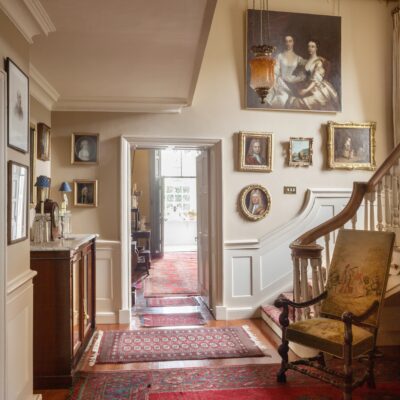
Fans of architecture and historic buildings will thoroughly enjoy staying in a period Hidden Ireland property, simply for the structural details that are present in every room and the beauty of the historic restorations current or previous owners have completed.

From full extensions and room restorations to preserving historic details like staircases, fireplaces and doors, there is much for history buffs and students of period design to explore and enjoy.

You can step back in time without ever having to venture outside the front door of your Hidden Ireland holiday home. If you do explore further afield, the calm, atmosphere of your restored historic holiday home awaits you when you get back.

Bringing together the old and the new

Preserving cultural history and built heritage is an extremely worthwhile aim, that has resulted in architecturally stunning and authentically fascinating holiday properties retaining their former glories and being made available to visitors and holidaymakers all over Ireland.

However, the owners of Hidden Ireland properties have cleverly brought the living standards up to date without compromising on the historic beauty or damaging the careful restorations that have taken place.

They’ve added modern comforts like high-speed wi-fi and, in some houses, even robotic lawnmowers – discreet touches that bring 2025 convenience to a beautifully preserved historic setting.

The best of both worlds.

Mental health and wellbeing

There is much to be said for a break in Ireland that encourages you to slow down, relax and take time out of a busy working schedule.

Historic, restored properties have a unique sense of peace and quiet, with the years of history they have seen evoking a sense of awe among many visitors.

Properties that have unique characteristics and fascinating stories can help us focus on learning more about them and really connecting with the location of our chosen historic house or holiday cottage in Ireland.

They are often located close to nature and wildlife, adding greatly to the mental health benefits and sense of wellbeing gains from spending a few days in situ.

If you need to contact Hidden Ireland to find out more about our country houses, cottage or properties please click HERE

Check out our social media pages:

FACEBOOK | INSTAGRAM | TWITTER

Hidden Ireland Holiday Accommodation Cottage Rental Bed and Breakfast Good Food Ireland Irish Food Irish Recipes

Sweet and savoury Irish dishes for spring and summer dining

Think of eating and drinking in Ireland, and you will doubtless conjure up images of Guinness for St Patrick’s Day, as well as potatoes, fruit scones and hearty Irish stews.

However, there is a lot more to the cuisine of Ireland, especially as we come into late spring and early summer.

While Ireland isn’t exactly famed for gloriously hot summers, the sun can still come out from time to time and give residents and visitors alike nice weather to enjoy.

Whether you are staying at a fully catered Hidden Ireland property, or have opted for a self-catering stay, there are many ways to try some Irish summer classics. Check out some online recipes, visit a local supermarket or market and cook your own back at your holiday accommodation.

Potato salad

Ireland’s history is intrinsically linked with the potato, which is evident when it comes to this delicious, fresh summer tradition – Irish potato salad. New potatoes are boiled until soft and then cut into bite-sized pieces.

Butter is added and mixed with the potatoes until it has melted, then mayonnaise, salt and pepper is stirred in.

Garnish with chives and serve with cold meats for a wonderful summer’s picnic food or light dinner option. You can also add ingredients such as onions, mint leaves, radishes peas or mustard to add to the taste.

Smoked salmon and scrambled eggs

The ultimate in sophisticated breakfast food. Ireland is rich in wild Atlantic salmon, thanks to its geographical location and island status.

Wild salmon live in many rivers in Ireland and is a popular choice among fish lovers.

Pep up your scrambled eggs in the morning by adding flakes of smoked salmon and chives. Or wow your summer dinner guests by serving small portions as a starter, or a larger serving with a side salad on a warm summer’s day.

Summer pudding

One popular dessert in Ireland is called summer pudding. This is a fruity, moist pudding that was originally made to use up leftover bread, but has become a popular option for summer desserts in Ireland and the UK.

Fruits such as blackberries, redcurrants, strawberries and blueberries are cooked and strained to make them soft.

White or soda bread soaked in fruit juices lines a pudding bowl or loaf tin with the fruit added in the centre. The pudding is then chilled and served with delicious ice cream and fresh fruit.

Bread and butter pudding

Another bread-based dessert that rounds off an Irish salad or summer lunch beautifully is bread and butter pudding.

Again, you can use white bread or the traditional Irish soda bread to make this dish. Slices of bread are buttered and soaked in a mixture of milk, eggs and sugar.

Add fruit such as raisins or currants to taste, as well as other ingredients such as chocolate chips or honey if you wish. Bake until the dish is crispy and golden on the top.

Irish lemonade

Lemonade is a wonderfully cooling drink on a hot, summer’s day.

Adding whiskey to it adds a touch of sophistication for a summer drinks party.

To a tall, chilled glass, mix fresh lemonade with a good Irish whiskey, some ginger beer or club soda, a dash of bitters and fresh mint leaves. Garnish, add ice and serve.

You can also make up jugs of it for a larger group of people. This is a lighter alternative to hot whiskey drinks that are more suitable for the autumn or winter months.

If you need to contact Hidden Ireland to find out more about our country houses, cottage or properties please click HERE

Check out our social media pages:

FACEBOOK | INSTAGRAM | TWITTER