This morning the Irish Independent has published its Fab 50: Ireland’s best places to stay 2022. We are so delighted that Hidden Ireland has two houses included in the list! Clonalis House in Castlerea, Co Roscommon and Birdhill House & Gardens in Clonmel, Co Tipperary appear under the heading of “cool castles & character stays”!
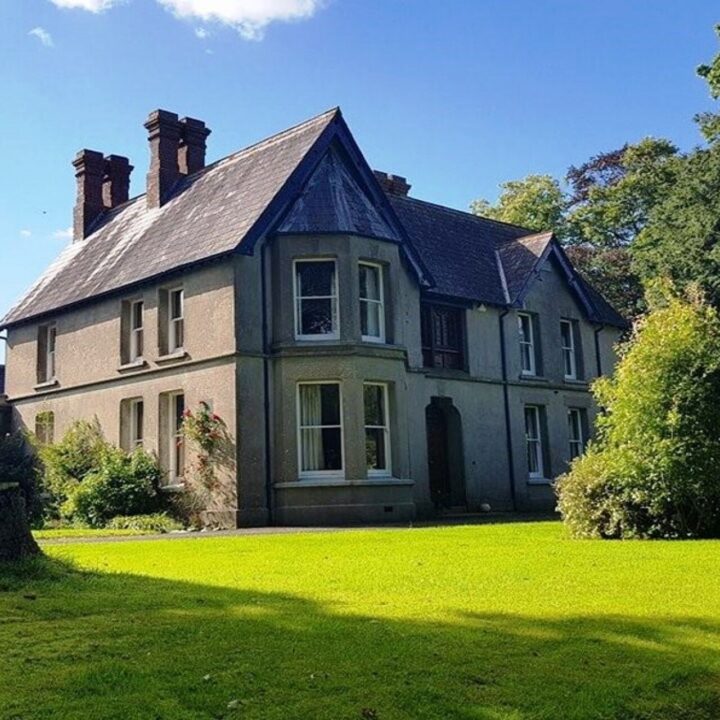
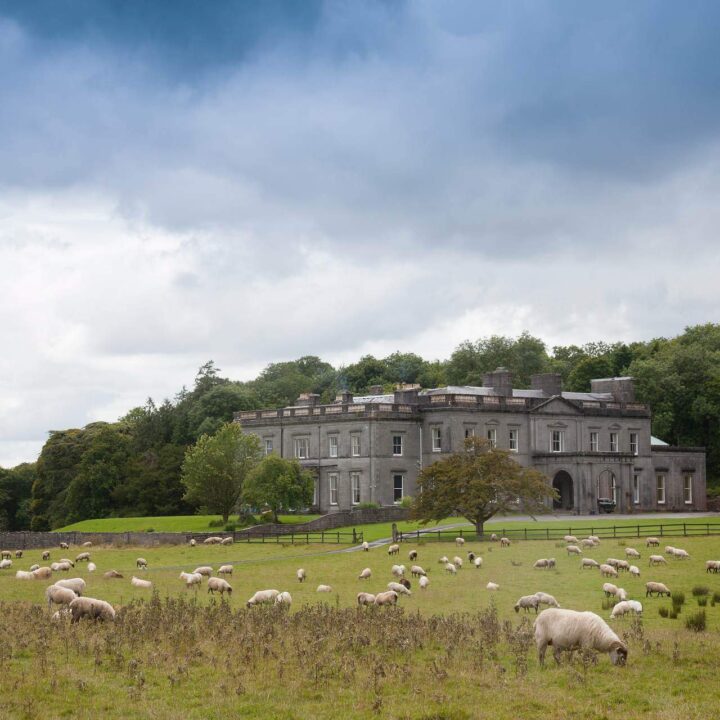
Clonalis House
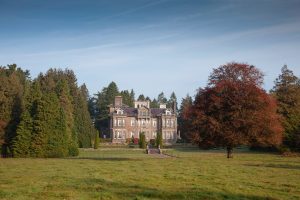

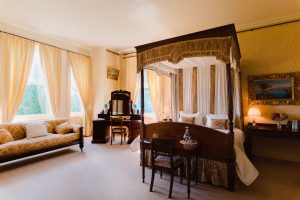
To quote Nicola Brady when it comes to historical properties, Castlerea’s Clonalis House is top of the pile.
Life at Clonalis House is all about kicking back with all the ingredients for a lazy weekend in the country.
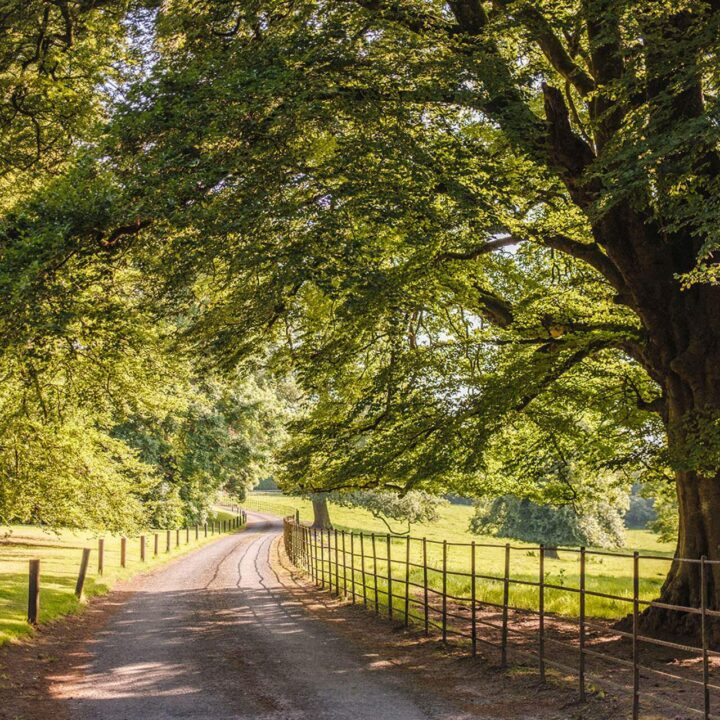
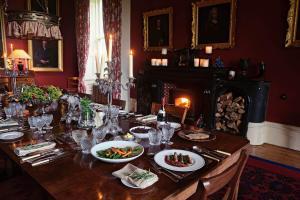
Expect the good-old fashioned hospitality of bygone days, roaring turf fires to sit next to and a charismatic ambience. Curl up with a book on a sofa in the library or borrow a pair of wellies and take a stroll in the 700-acre woodland estate.
Clonalis House won the O’Flynn Group Heritage Prize, recognising the dedication to history and preservation of old Irish architecture.
To quote Carol-Anne, from Clonalis House “it’s a never ending project”.
An excellent choice for inclusion in the Irish Independent’s Fab 50, Ireland’s best places to stay in 2022.
Click HERE to book a stay in the beautiful Clonalis House.
Birdhill House & Gardens
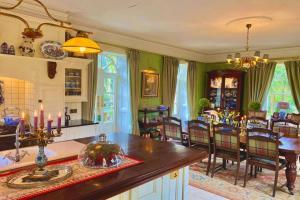

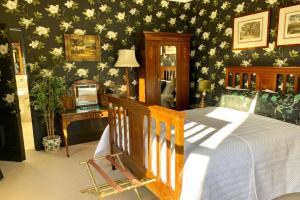
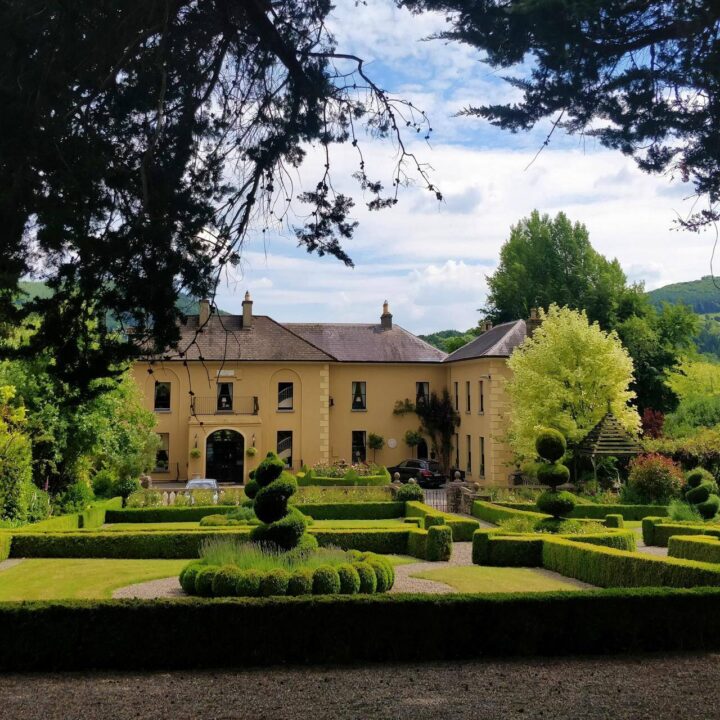
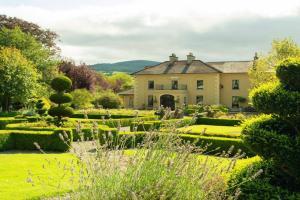
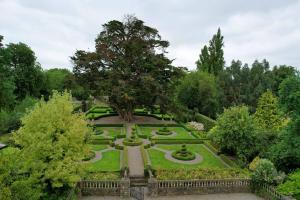
Thomas Breathnach called to Yvonne & Robert in Birdhill House & Gardens. Another stunning Hidden Ireland house which is the latest addition to the Hidden Ireland family. Thomas found a villa-like splendour and an all-season appeal , with sun trap terraces, palatial bedrooms, and inviting spaces to curl up in. The house also boasts a beautiful decadent drawing room and a library that is just bursting with character! Condé Nast Traveller has tipped Tipperary as one of the best places in the world to visit in 2022.Click HERE to book a stay in Birdhill House & Gardens!
Click HERE to read the full list of the Irish Independent’s Fab 50 Ireland’s best places to stay in 2022!
Don’t forget to follow us on Facebook, Instagram & Twitter for news, updates and any offers that are available!
Treat your Mother to a Hidden Ireland Gift Voucher for Mother’s Day this year and your mum can treat herself to a stay in one of the best places to stay in Ireland for 2022!
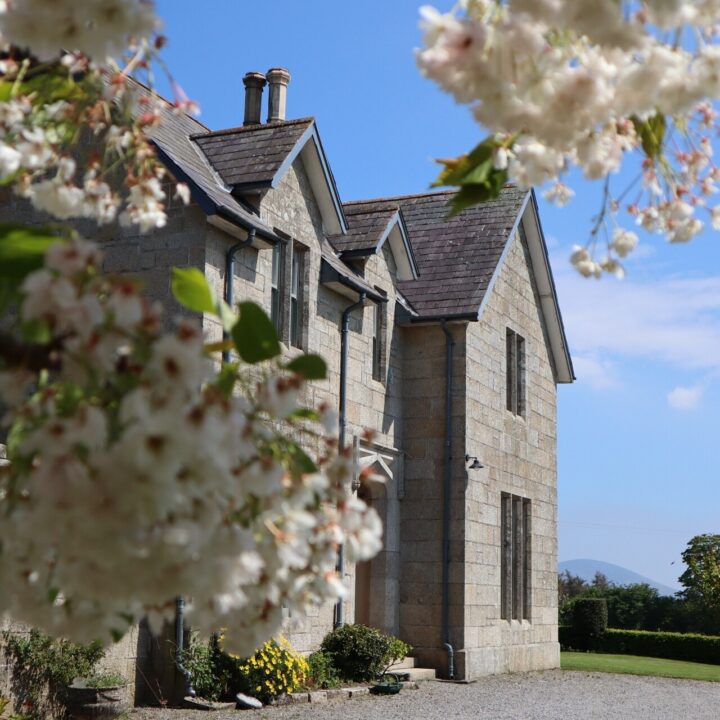

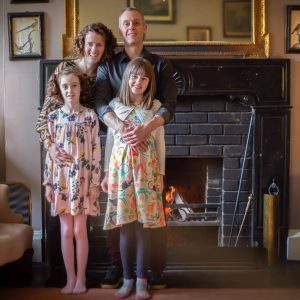 Hannah, Paddy and their family are the proud owners of Roundwood House in Mountrath, Co Laois. Set at the foot of the Slieve Bloom Mountains which is just over an hour from Dublin. Roundwood House is surrounded by mature trees, lawns, gardens and delightful, extensive outbuildings. It is a historic home of architectural interest and was once described by Desmond Guinness, co-founder of the Irish Georgian Society, as having a “marvellous doll’s house-like quality”.